
Training of Support Persons
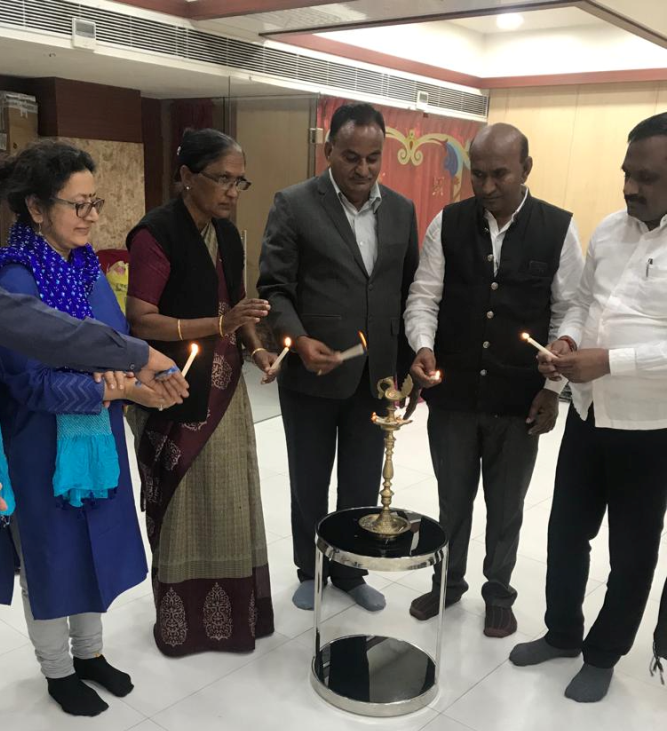
We started the day with understanding context of child sexual abuse in India and it’s prevention with reference to POCSO act. Prita started by talking about the research by WCD in 2007 which revealed disturbing statistics of child sexual abuse in India. She explained what child sexual abuse is, it’s prevalence, impact, why are children vulnerable and how do the perpetrators approach their survivors.
In the second session, we did an overview of the POCSO Act, 2012 and discussed roles of different bodies involved- The District Child Protection Unit, Police and CWC.
POCSO ACT
We discussed the POCSO act, with special attention to 3 topics:
- How the law attempts to deal with the vulnerability and innocence of children.
- Revictimization and secondary victimization by the Criminal Justice System- how does the law seek to address these issues.
- Survivors’ rights and needs
POCSO act defines a child a child as any person below the age of 18 years and provides protection to all children under the age of 18 years from the offences of sexual assault, sexual harassment and pornography. The POCSO act is gender neutral.
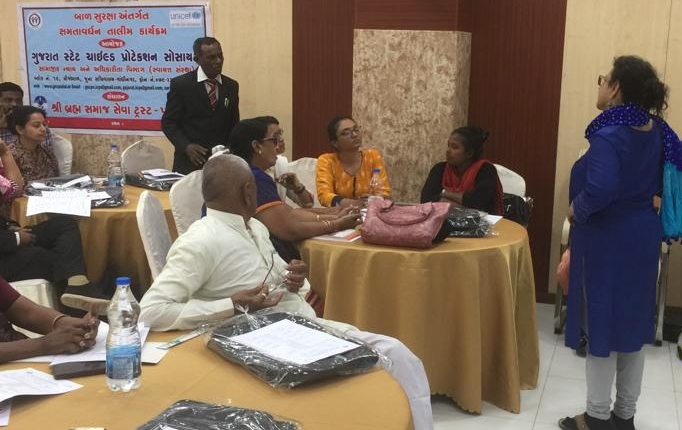
As per thePOCSO ACT, “Expert” means a person trained in mental health, medicine, child development or other related discipline, who may be required to facilitate communication with a child whose ability to communicate has been affected by trauma, disability or any other vulnerability. We discussed a case where the survivor has not been able to give her statement in court because the medical report says that her IQ is borderline normal and hence her statement would not be reliable.
POLICE AND POCSO
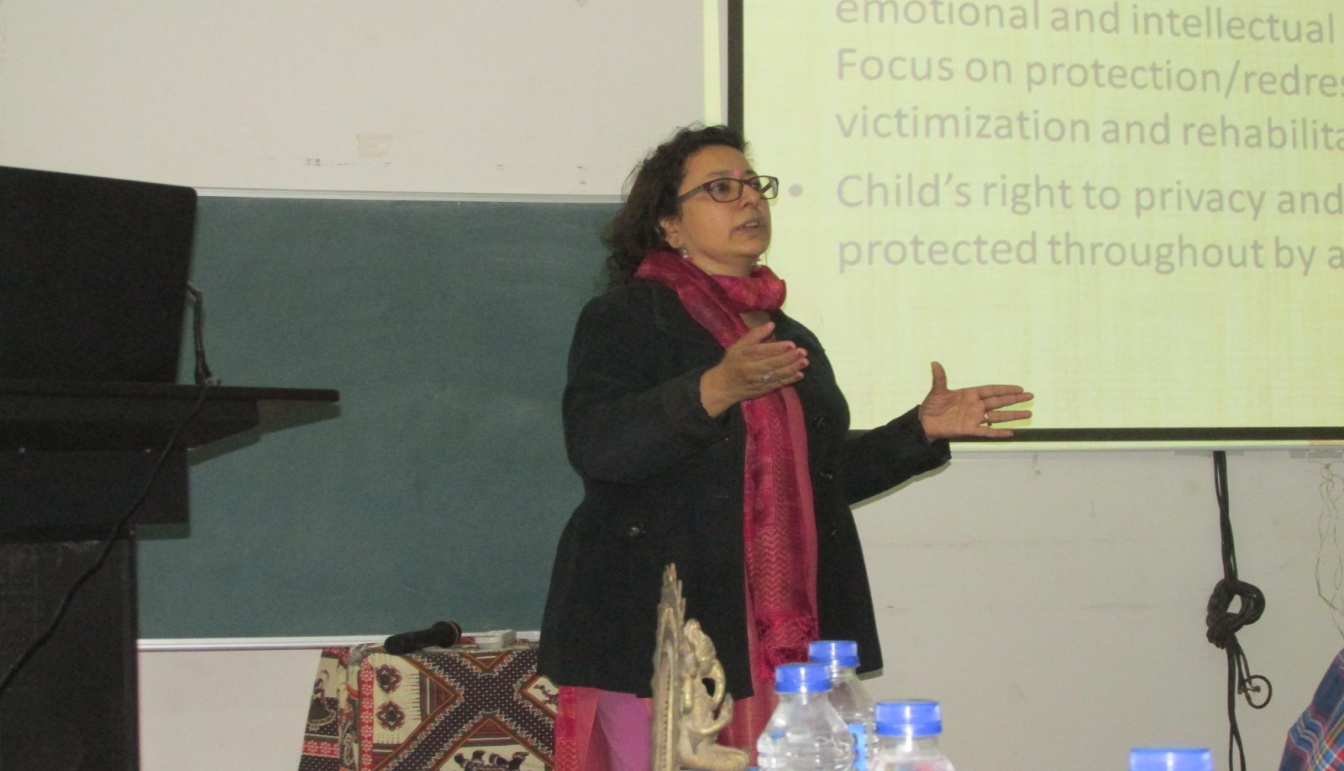
Prita emphasized that POCSO mandates some child friendly procedures to be followed by the Police. For example, statements of the survivor to be recorded at his/her residence or place where they usually stay as far as possible by a woman officer not below the rank of sub-inspector. The police should not be in uniform when recording statement of the survivor and the statement should be recorded survivor’s residence.
Police shall protect the identity of the child from public media unless otherwise directed by the Special Court. A participant said that the Police often end up leaking the information to the media. At times, they might not mention the name of the survivor but mention other essential details such as the address and school of the survivor, which makes it very easy to identify the survivor. Prita ma’am discussed a case where a survivor’s mother expressed her concern at the Police Station about the identity of the survivor being revealed by the media. The Police officers told her that they really cannot control it at times and the information will be leaked.
The police officer making investigation, shall, while examining the child, ensure that at no point of time the child comes in contact with the accused. But a support person spoke up that there have been various instances where the accused and the survivor were taken to the Police Station in the same vehicle. The statement should be recorded as spoken by the child and the words of the child should not be changed in any way.
Prita discussed a case where the Police and the medical report said that the girl was deaf and dumb. But the mother said that the girl can talk and Police’s poor quality of work made the case more complicated and it went on for five more years.
POCSO act Section 26(3) and Section 38(2) provides for the assistance of a special educator to the Special Court, Magistrate or Police Officer, as the case may be for recording the statement and evidence of the child having a mental or physical disability. POCSO RULE 4(2)(E) states that where an SJPU(Special Juvenile Police Unit)or the local police receives any information under sub section (1) of Section 19 of the Act, they must inform the child and his/her parent or guardian or other person in whom the child has trust and confidence of the availability of support services including counselling, and assist them in contacting the persons who are responsible for providing these services and relief.
The case including the need of the child for care & protection and steps taken in this regard should be reported by the Police to the Child Welfare Committee (CWC) and the Special Court within 24 hours. [Section 19(6)]
CHILD WELFARE COMMITTEE ( CWC )
The CWC, thereafter, should determine within three days whether the child needs to be taken out of the physical custody of his/her family or shared household and placed in a shelter home. The CWC should take into account the opinion of the Child. CWC should conduct an enquiry.