
Women’s Shelters PIL
Gujarat Women's Shelter PIL: PEC's Impact
In 2014, Peace and Equality Cell (PEC), led by Prita Jha, filed a landmark PIL (Peace And Equality Cell v. State Of Gujarat) exposing horrific conditions in Gujarat’s women’s shelter homes—overcrowding, poor sanitation, lack of medical care, and abuse risks, with reports of girls escaping and facing further violence.
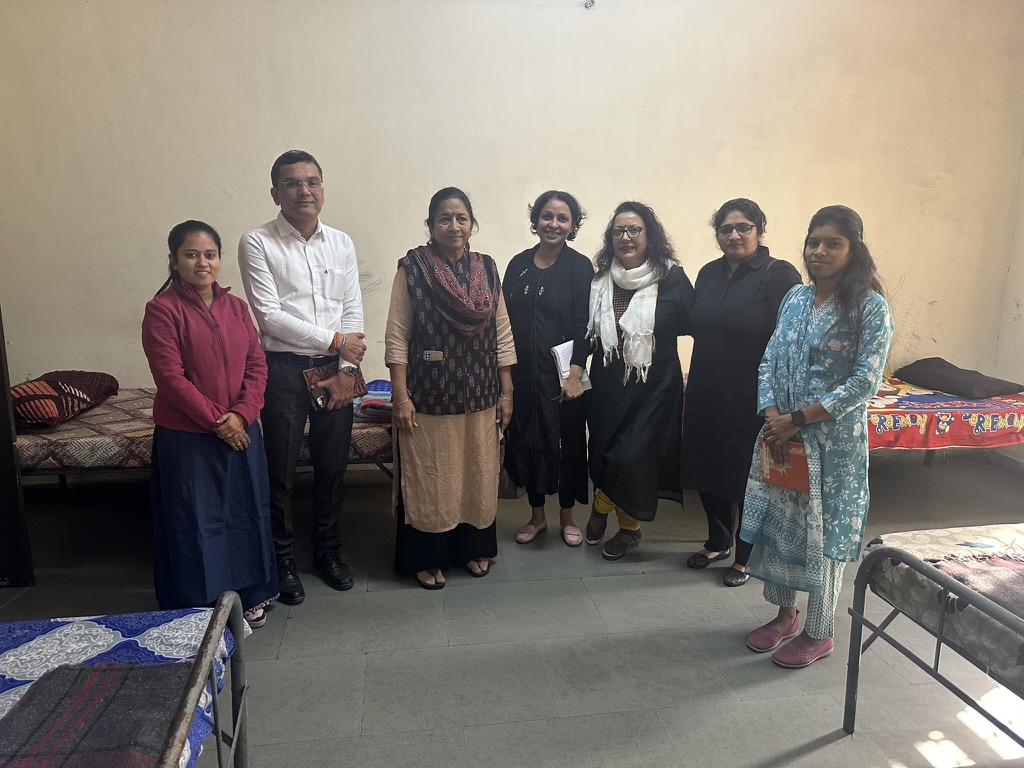
PEC’s role involved on-ground inspections of 8 shelters with activists Trupti Shah and Afroz Zahan, followed by trainings on new rules, mental health, and POCSO for staff. The Gujarat High Court ordered committees for rule updates (replacing 1961 norms), government replies, and improvements.
Major Wins: Equipped volunteers, advocates, and Child Welfare Committees (CWCs—district bodies protecting children); increased victim compensation claims via District Legal Services Authorities (DLSAs).
PEC has reached over 120,000 children, trained 4,008 teachers, and 5,581 parents via safe/unsafe touch sessions. PEC has also supported 100+ survivors and worked on stigma reduction and justice access.
“PEC has provided CSA and POCSO training to all 33 DLSAs in Gujarat.” a major milestone for the state.
Further Reading
Gujarat: Rules framed for Women’s shelters: The rules have been formulated on HC directions issued over a PIL filed by an NGO ‘Peace and Equality Cell’ in 2014 seeking to improve living conditions in shelter homes, which they said had turned into jails instead of shelter where women can feel safe. https://timesofindia.indiatimes.com/city/ahmedabad/rules-framed-for-womens-shelters/articleshow/70300106.cms
EPW Article:
The article critiques the gaps in India’s women’s shelter homes — from limited access and poor infrastructure to welfare-centred practices — and calls for rights-based reforms; PEC’s sustained advocacy helped spur judicial and policy attention to these issues. https://www.epw.in/journal/2018/37/commentary/redefining-purpose-and-rules-shelters.htm