
Why Domestic Violence is Such a Well-Kept Secret

Why Domestic Violence is Such a Well-Kept Secret Prita Jha’s powerful insights, as highlighted in Aruna Raghuram’s piece on Women’s Web, shed light on the pervasive issue of domestic violence and the importance of breaking the silence surrounding it. Thank you, Aruna Raghuram, for bringing this important perspective to light. Prita’s words inspire us to advocate for change, empower survivors, and work towards creating a world free from abuse. Let’s amplify her message and continue the dialogue to bring about meaningful transformation. Her insights on “Why it’s often a well-kept secret” have showed a vision to many people. Let’s keep the conversation going to empower survivors and end the cycle of abuse.
Courageous survivor of Acid Attack battles for Justice

Courageous survivor of Acid Attack battles for Justice https://timesofindia.indiatimes.com/city/ahmedabad/hc-flays-pocso-court-for-being-insensitive-to-acid-attack-victim/articleshow/105161183.cms High court grants interim compensation after survivor challenged trial courts reluctance and delay in awarding full compensation as ordered by various judgements of Supreme Court
Human Rights Conference 26-28 January 2024

Human Rights Conference 26-28 January 2024
Prita Jha: Empowering Victims and Advocating for Peace and Equality
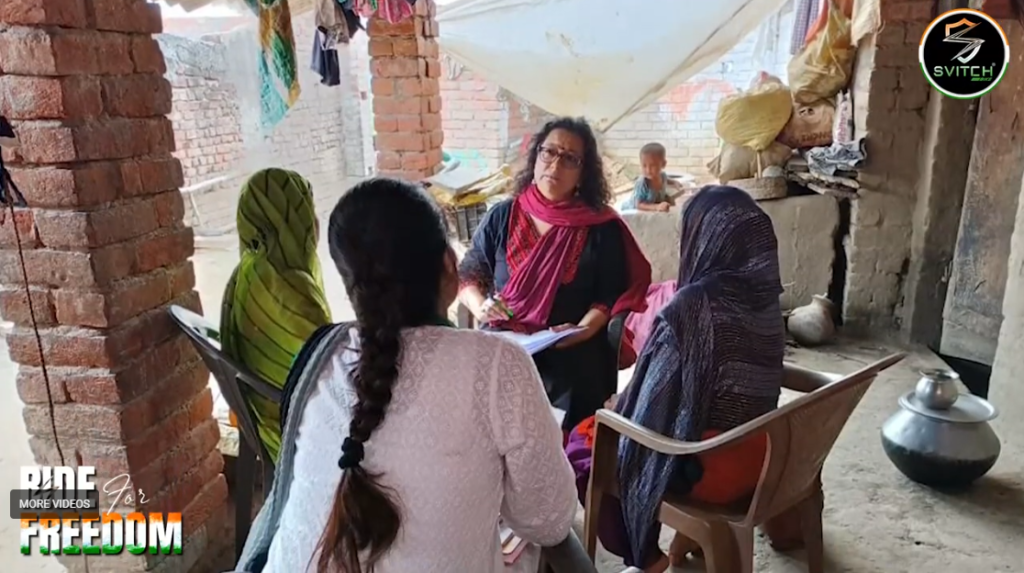
Prita Jha: Empowering Victims and Advocating for Peace and Equality https://www.youtube.com/watch?v=yBU2vGMyQTc
Legal activist Prita Jha talks to us about the problems with implementing laws pertaining to violence against women and child sexual abuse

Legal activist Prita Jha talks to us about the problems with implementing laws pertaining to violence against women and child sexual abuse The piece is about a podcast episode featuring legal activist Prita Jha, where she discusses challenges in implementing laws related to violence against women and children in India. She explains that while laws like the Protection of Women from Domestic Violence Act are progressive, lack of awareness and inconsistent judicial application limit their impact. The episode also tackles the widespread fear of women filing “false cases,” explaining that there’s little reliable data to support such fears and that how “false cases” are legally defined poses problems. Additionally, she talks about complications in how child sexual abuse laws can sometimes inadvertently criminalise consensual adolescent relationships. Full article: https://www.theswaddle.com/the-fear-of-women-filing-false-cases-and-more-with-prita-jha
Lawyer Helps Child Sexual Abuse Victims Win Compensation Up to Rs 1 Crore
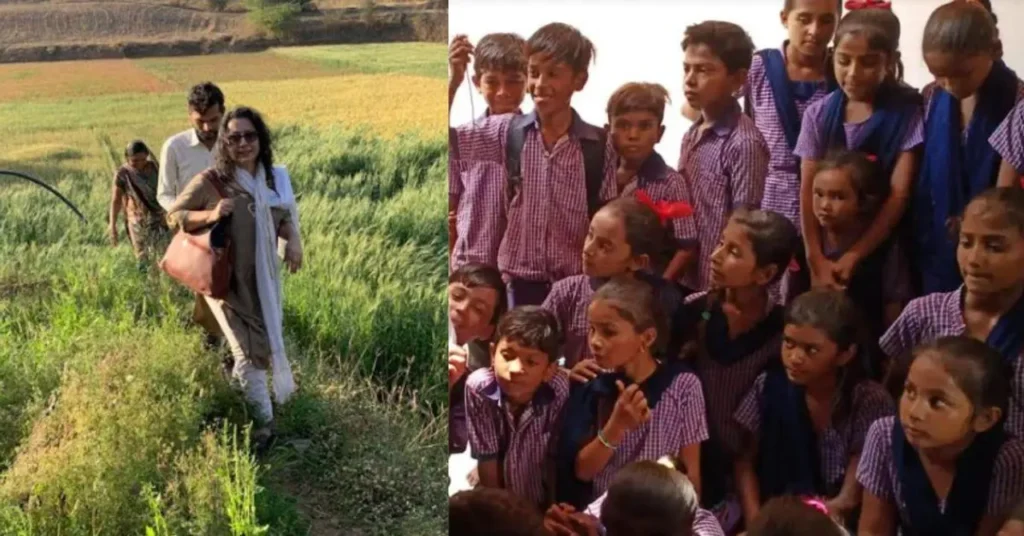
Lawyer Helps Child Sexual Abuse Victims Win Compensation Up to Rs 1 Crore Engineer turned lawyer Prita is founder-president of the NGO Peace and Equality Cell (PEC), which works to prevent CSA by creating awareness and providing victims access to justice. Trigger warning: This story contains mentions of suicide and sexual violence As a child, Prita Jha had a strong sense of fairness. She recalls how she and her brother would argue into the night about rationality and justice. Today, the 55-year-old legal activist, researcher and trainer, is committed to address the issue of child sexual abuse (CSA) as comprehensively as she can. Prita is founder-president of the NGO Peace and Equality Cell (PEC). Started in 2012, PEC’s work is mainly two-fold — preventing CSA by creating awareness, and providing victims access to justice. Under its ambit, Prita provides free legal representation to the victims, helps them access counselling, and makes efforts to rehabilitate them. Regardless of the outcome (conviction or acquittal), in all cases, survivors are supported by PEC so that they do not have to navigate the criminal justice system alone. Prita works to prevent CSA by creating awareness and providing victims access to justice. Interestingly, Prita is an engineer turned lawyer. “I studied engineering in the UK and took a course on ‘law for engineers’. I was so fascinated by the course that I studied one year of law and converted my degree to a legal one. I then worked on the issue of domestic violence with a group of feminist lawyers in the UK.” “Having a deep desire to return and connect with India, I came to Ahmedabad in 2005. I started working with riot victims on cases of gender-based violence. The decision to set up PEC was an organic one to continue the fight for justice,” she says. Hasmukh’s story It was a specific case that made Prita and PEC focus on CSA. In early 2013, PEC got involved in a child rape case, where the 15-year-old victim had given birth. Hasmukh (name changed) had learning disabilities. The PEC team was convinced that it was not a case of a single rape incident, but protracted sexual abuse. PEC supported the child and family and enabled Hasmukh to secure much-needed counselling services. After DNA tests, the police arrested two of the accused. Tragically, soon after this huge breakthrough, Hasmukh died by suicide, unable to cope with the stress and family conflict brought by revelations of the sexual abuse she had been subjected to. “I visited Hasmukh in hospital. She had 97 percent burns. I was traumatised. Hasmukh was a girl who was always ready with a smile. Seeing her plight made me decide that I should focus my work on preventing CSA, not just providing legal aid to victims,” says Prita. Since then, Prita has led a group of lawyers, paralegals, activists, researchers and trainers who have been addressing the issue of CSA for the past 11 years in Gujarat. PEC has offered legal support to CSA victims in 320 cases so far. Of these, 194 were not fought till the end. Of the remaining 124, 76 have concluded, while the rest are still in the courts. “Due to our persistent advocacy with the concerned departments, we have been able to procure a compensation of over Rs 1 crore so far for victims of CSA in 44 cases. Since 2020, the minimum compensation for a victim is Rs 4 lakh in penetrative sexual assault cases,” she explains. ‘Who is the boss of your body?’ PEC works widely in rural areas and among poor, marginalised communities. Apart from CSA, it works in the areas of domestic violence and other forms of gender-based violence. The NGO conducts workshops with children, parents and teachers in rural areas as well as in urban communities. People are made aware of CSA and how to access justice in case it happens within their families or communities. Up to the end of 2022, PEC had reached over one lakh children, apart from parents, teachers and Anganwadi workers, through its awareness programmes. Creating awareness on safe and unsafe touch is a very important aspect of prevention of CSA. Prita says, “We ask children, ‘Who is the boss of your body? Many say, ‘God’. We tell them, ‘You are’.” In their awareness programmes, PEC uses Childline’s 2013 short animated film ‘Komal’. In the film, Komal, a young girl, is sexually abused by a neighbour. The film explains that there are four zones — mouth, chest, the space between the legs, and the buttocks — which should not be touched by anyone. Such touch comes under the category of ‘unsafe’ touch. https://youtu.be/CwzoUnj0Cxc CSA is a complex issue In 2007, the Ministry of Women and Child Development, Government of India, conducted a survey of 12,447 children across 13 states. As per its shocking findings, 53 percent of children had suffered some form of sexual abuse. CSA covers several complex contexts. That is what makes the issue so challenging to address. Prita explains the four major contexts. The first is incest where parents or close blood relations are the perpetrators. The second is a trafficking situation. In these cases, children are sold for commercial gain, sometimes with the consent of poverty-stricken parents. The third is sexual abuse by a known person. It may be a friend, neighbour, teacher, or other known person who grooms the child to win her or his trust. The fourth is adolescent sexuality. Minors experiment and sometimes get romantically involved. Those under the age of 18 years are considered children and cannot consent to sexual intercourse. In such cases, the boy is accused of rape. A big victory for Prita and PEC was a trafficking case involving a minor. The girl had lost both parents. When the trial court acquitted the accused, PEC moved the Gujarat High Court. The High Court awarded Rs 5 lakh as compensation to the minor. “It’s a big loss for us when the victims [die by] suicide like Hasmukh did. When a culture of violence leads to
PEC Founder Prita Jha speaks on criminal justice failures for women during lockdown

PEC Founder Prita Jha speaks on criminal justice failures for women during lockdown A webinar held in October 2020 on gender violence highlighted how the COVID-19 lockdown in India exacerbated violence against women and increased their vulnerability. Experts at the discussion pointed out that confined living conditions intensified domestic tension, leading to a rise in distress calls from adolescent girls and reports of abuse, including cybercrimes and the sharing of pornographic material during the lockdown period. Speakers also criticised the criminal justice system’s response, citing issues such as delayed or inadequate police action, poor investigation quality, and mishandling of forensic evidence. Some panelists referenced high-profile cases like the Hathras rape to underscore how narratives and legal processes can further fail survivors. Overall, the webinar underscored that lockdown measures — while necessary for public health — had serious unintended consequences for women’s safety and access to justice. Full article: https://indianexpress.com/article/india/lockdown-left-women-more-vulnerable-webinar-on-gender-violence-6716741/
Prita conducts Webinar on domestic and sexual abuse during Covid times

Prita conducts Webinar on domestic and sexual abuse during Covid times In May 2020, AID India hosted a webinar titled “Webinar on Combating Domestic & Sexual Abuse During COVID Times” to spotlight how the COVID-19 lockdown intensified risks for survivors of gender-based violence. The online event featured Prita Jha, Founder & President of Peace & Equality Cell (PEC), and Tara Ahluwalia, a seasoned social worker from Rajasthan, both of whom are advocates for action against gender crimes in India. The speakers shared ground-level insights into the distressing realities faced by survivors during lockdown, including heightened vulnerability due to confinement, limited access to support systems, and increased incidences of abuse — and also discussed ways civil society can help respond to these challenges. Full webinar page: https://aidindia.org/webinar-domestic-sexual-abuse/
PEC’s PIL prompts new shelter rules
PEC’s PIL prompts new shelter rules Facing criticism over poor conditions in women’s shelter homes, the Gujarat government has framed and notified new rules for these facilities — the first major update since 1964. The move comes after reports of inmates escaping due to substandard living conditions and a long-pending Public Interest Litigation (PIL) brought the matter before the Gujarat High Court. The new rules focus on strengthening the management, monitoring, and basic amenities of shelter homes. They set standards for sanitation, hygiene, water, security, regular medical check-ups, food, clothing, and lodging for residents. Provisions have also been added for skill upgradation, legal resettlement, and rehabilitation of survivors of gender-based violence. Prita Jha, Founder and President of Peace and Equality Cell (PEC), emphasised that the purpose of shelters should shift from simply “rescuing victims” to empowering survivors, ensuring they have a safe, confidential, and non-judgmental space to heal and decide their future. PEC was part of the expert committee that helped recommend the new rules. Full article: https://indianexpress.com/article/cities/ahmedabad/facing-criticism-gujarat-govt-notifies-new-rules-to-improve-womens-shelters-5887896/
PEC, an NGO advocating for women’s rights since 2012, filed a PIL prompting the Gujarat government to frame better rules for women’s shelters to ensure safety, proper care and rehabilitation.
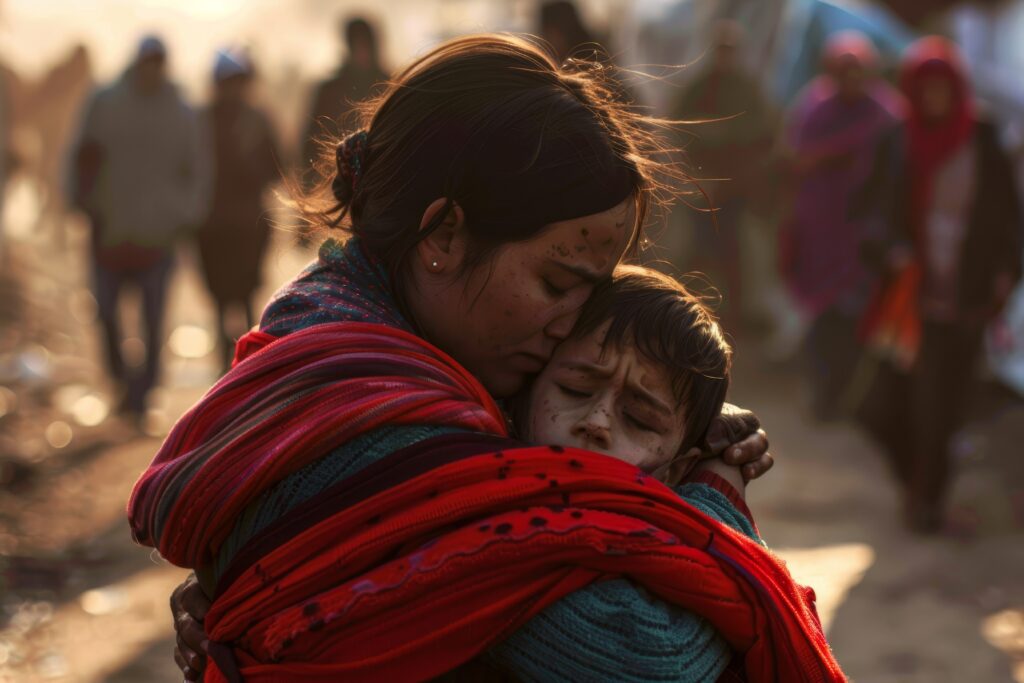
PEC, an NGO advocating for women’s rights since 2012, filed a PIL prompting the Gujarat government to frame better rules for women’s shelters to ensure safety, proper care and rehabilitation. Peace and Equality Cell (PEC), an NGO advocating for women’s rights since 2012, filed a PIL prompting the Gujarat government to frame better rules for women’s shelters to ensure safety, proper care and rehabilitation. AHMEDABAD: The state government has formulated rules to improve living conditions in women’s shelter homes across the state and for their better management, it informed the Gujarat high court about the provisions on Friday. The rules have been formulated on HC directions issued over a PIL filed by an NGO ‘Peace and Equality Cell’ in 2014 seeking to improve living conditions in shelter homes, which they said had turned into jails instead of shelter where women can feel safe. The government has titled the provisions as, ‘Rules for management of state homes and reception centres for protection, empowerment and rehabilitation of survivors of gender-based violence and abuse’. A 13-member state level steering committee will be responsible for the “overall management, policy development and advocacy for required resources and staff of shelters”. It will review the rules every five years. Moreover, a 15-member management committee headed by the district collector will look after such homes at district level. Read the full blog here:https://feminisminindia.com/2024/09/10/breaking-invisible-barriers-the-intersection-of-disability-and-gender-based-violence/